SIMD for Audio Developers
SIMD (Single Instruction, Multiple Data) is an essential feature of modern hardware and a cornerstone of audio processing. Modern CPUs provide SIMD in a variety of forms, from fixed-width instruction sets such as SSE, AVX, and NEON to the Scalable Vector Extension (SVE).
There are several ways to leverage SIMD in your audio app: relying on compiler auto-vectorisation, using libraries such as xsimd, Highway, Eigen, or JUCE's dsp::SIMDRegister, hand-write SIMD code using compiler built-ins and intrinsics, or even dropping down to assembly. Each approach comes with different tradeoffs around portability, control, and effort. The upcoming C++26 standard adds std::simd, a long-anticipated abstraction that brings portable, explicit SIMD into the standard library.
In this talk, we cover what SIMD is, how it works at the hardware level, how to use it in your audio app, how the different approaches compare, and how C++26 changes the picture. While the examples are in C++, the hardware fundamentals and conceptual tradeoffs carry over to any programming language with SIMD support. Whether you are an audio developer new to using SIMD, or a seasoned expert curious about how the new std::simd stacks up against what you already use, there will be something here for you.
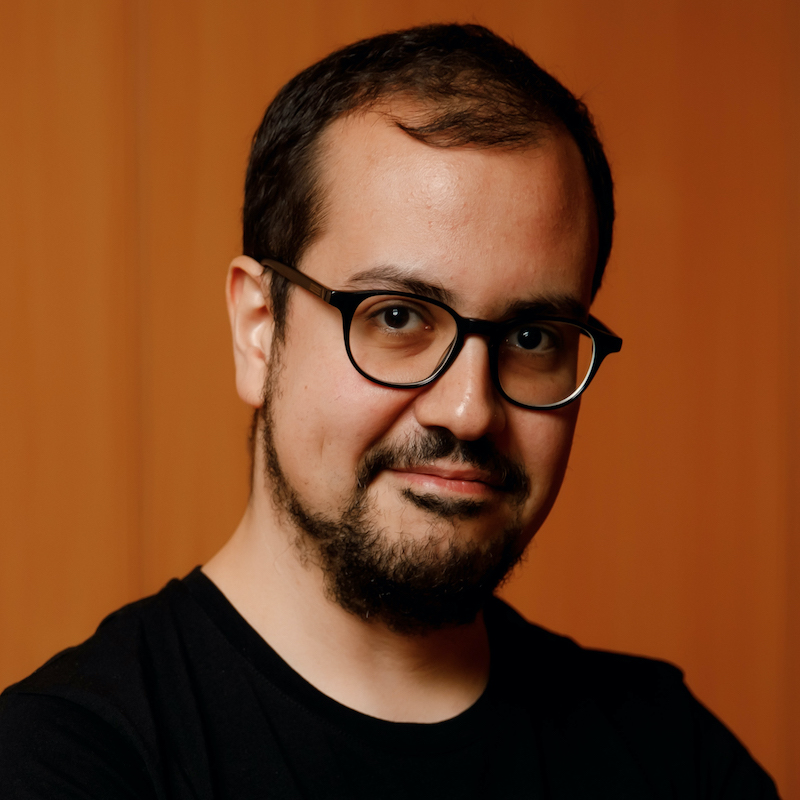
Timur Doumler
Timur Doumler is a software engineer specialising in low-latency and real-time C++. He works at Citadel Securities and is an active member of the ISO C++ standard committee, where he has (co-)authored many successful proposals including [[assume]], std::inplace_vector, and contract assertions, and is currently serving as the chair of SG22, the C and C++ Liaison Group.
Timur began his C++ journey in computational astrophysics, working on large-scale cosmological simulations. After completing a PhD in astrophysics, he spent a decade in the audio and music technology industry and co-founded the music tech startup Cradle. He has also worked at JetBrains, contributing to their in-house C++ frontend and later serving as Developer Advocate for the CLion IDE and other popular C++ tools.
Timur is passionate about correct code, effective tools, and the evolution of the C++ language.