Interactive Panel: Accessible Audio Technology
This session features a series of lightning talks, showcasing the latest developments within accessible audio technology. It will feature presentations from organisations and developers leading the field in inclusive design practices. Each half of the afternoon includes Q&A with the speakers from that half. This is your chance to steer the conversation on all things accessibility and get your questions answered!
Schedule
Welcome & intro
14:00-14:10 (10 mins)
Jay Pocknell
The Social Model of Disability
14:10-14:20 (10 mins)
John Kelly and Tim Yates
The Social Model of Disability has transformed how disability is defined and understood. It was born out of the disability rights movement, led by Disabled people, in the UK informing a rights based approach to practice. John and Tim will give an insight to the Social Model and how this concept applies to music-making, collaboration and music technology.
Co-design in practice: the Kellycaster
14:20-14:40 (20 mins)
John Kelly and Tim Yates
For a musician who is self-described as 'a bit of a punk at heart', the guitar is a pretty important instrument. The Kellycaster is a custom bespoke guitar co-created by John Kelly and Charles Mathews.
This session will explore how John collaborated with music technologists to develop an instrument that makes the full range of chords accessible and also maintains the full expressiveness of the guitar.
John will also demonstrate the Kellycaster and how it is used in a live situation.
Creating a sustainable ecosystem for music technology co-design
14:40-15:00 (20 mins)
John Kelly and Tim Yates
How can we connect as musicians, instrument makers, and developers who can work together to ensure access to playing and performing? And how can examples of successful co-design be discovered and promoted worldwide? How can Disabled musicians find out what music technology products may or may not be accessible to them?
In this section, John and Tim explore Drake Music’s DMLab programme and the future Accessible Musical Instrument Collection.
Opportunities and challenges of incorporating generative code within open source accessibility projects
15:00-15:10 (10 mins)
Scott Chesworth and Jay Pocknell
There’s no denying that virtual code assistants have changed the world of software development, but how much do these tools know about the intricacies and diversity of human accessibility? Considering the inherent biases within the data used to train AI models, can AI alone be trusted to make your software accessible to all users? Probably not, but when can AI be helpful in accessibility contexts?
In this section, Scott Chesworth shares experiences - positive and negative - of incorporating community-submitted generative code within OSARA, the widely-used open source accessibility extension for REAPER.
Creating accessible documentation for Roland products
15:10-15:20 (10 mins)
Paul McCabe and Jay Pocknell
This year, Roland Future Design Lab previewed a new concept: accessibility guides for the Roland V-Stage Performance Keyboard. The guides feature detailed product usage information tailored to the requirements of blind users, and are available in audio, HTML, PDF, and Word formats. There are also a series of accompanying videos.
In this session, Paul and Jay will explore how this project came about, and feedback received on their approach so far.
Q&A
15:20-15:40 (20 mins)
John Kelly, Tim Yates, Jay Pocknell, Paul McCabe
Break
15:40-16:10 (30 mins)
Giving music hardware a voice: MIDI Assistive Text
16:10-16:30 (20 mins)
Tim Adnitt and Jay Pocknell
With many developers wishing to make their products more accessible, what can MIDI do to support music-making hardware to transmit data that could be useful for accessibility?
In this session, Tim Adnitt, President of the MIDI Association, will explore the principles behind MIDI Assistive Text. Currently in development, MIDI Assistive Text exploits the ability for MIDI 2.0 devices to send text, to be received by a connected device. It creates a bridge between typically inaccessible hardware devices and a connected device’s OS accessibility services.
The session will include a tech demo, showing how a prototype MIDI Assistive Text specification supports an Arcana Strum to speak as the user navigates the instrument's controls.
How Oeksound improved accessibility in Soothe3 and Bloom
16:30-16:50 (20 mins)
Joni Turunen
With new, accessible versions of Soothe3 and Bloom soon to be released, Joni Turunen will share insights into Oeksound’s journey and lessons learned while working on accessibility. Covering topics such as screen reader compatibility and low-vision considerations, this session aims to fast track other developers wishing to make their plugins more accessible.
Q&A
16:50-17:00 (10 mins)
Tim Adnitt, Joni Turunen, Jay Pocknell
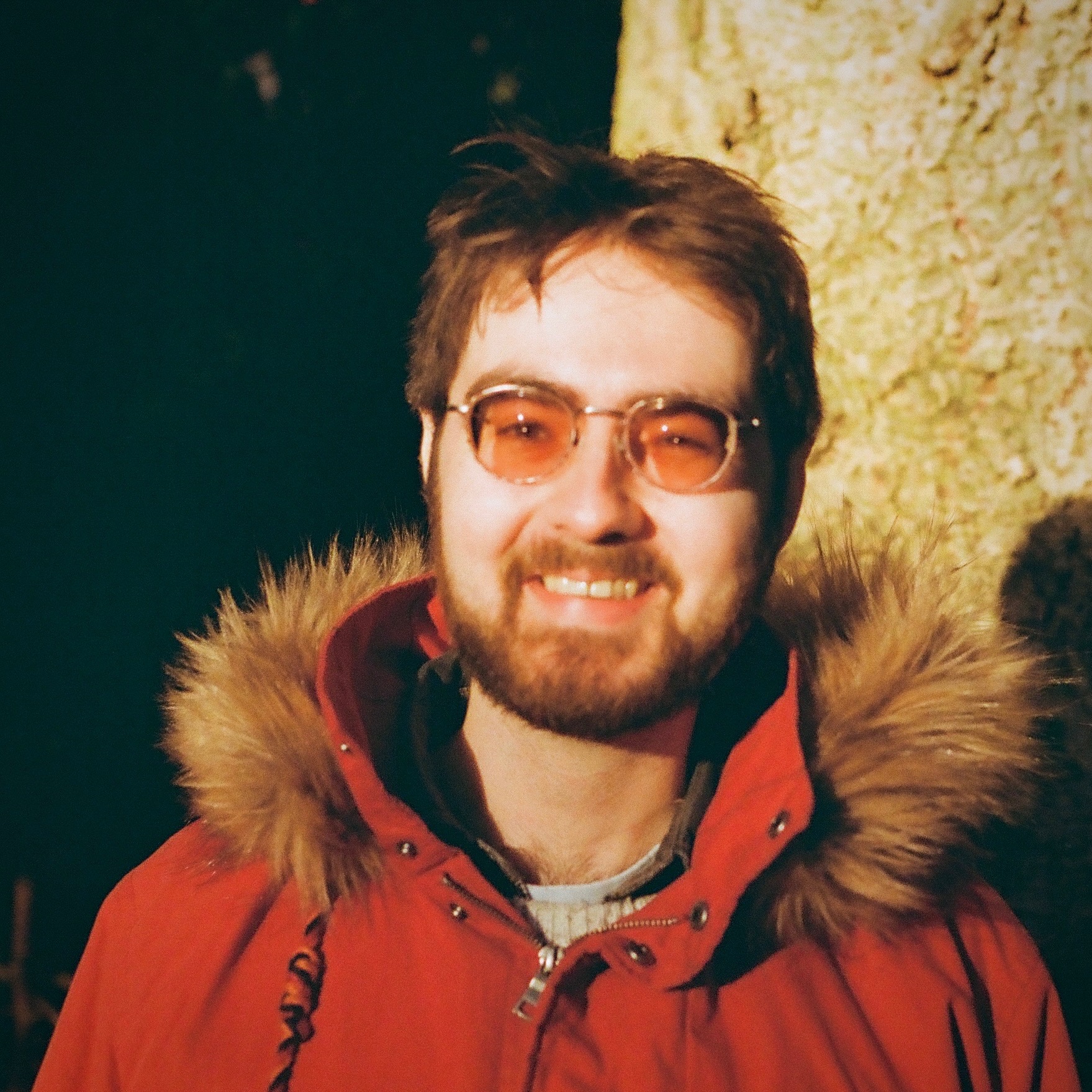
Jay Pocknell
Founder
Sound Without Sight
Jay is a mixing and mastering engineer, producer, and guitarist. He is also partially sighted, making him a prime contact for matters relating to music and visual accessibility.
Jay is founder and Project Manager of Sound Without Sight, a community-driven online hub that connects blind and partially sighted musicians to resources, opportunities, and support. Sound Without Sight advocates for improved accessibility within music and audio hardware and software. The project recently launched user testing initiative to provide product developers with a mechanism to gain real-life accessibility feedback.
He is also Music Support Officer at RNIB - the Royal National Institute of Blind People - where he is tasked with improving access to music-making for blind and partially sighted people.
Jay is a graduate of the Music and Sound Recording (Tonmeister) course at the University of Surrey and is credited on several top-10 releases including a UK Number 1 album. He has a proven track record of working with emerging independent artists to help them obtain their first radio plays.

Tim Yates
Research and Innovation Executive
Drake Music
Tim is Research and Innovation Executive at Drake Music, responsible for accessible music technology and instrument development. He is committed to breaking down the barriers to music making faced by Disabled musicians by ensuring that everyone has access to the instruments and technology they need. He is also undertaking a PhD in immersive, interactive sound art-installations using spatial audio at the University of Greenwich. He is a musician, sound-artist, and technologist, and co-founder and co-organiser of Hackoustic.

Joni Turunen
Oeksound
Joni Turunen is a software developer at oeksound, where he has built mixing and mastering plugins since 2018. He specialises in custom C++ UI frameworks and has worked on the award-winning plugins Soothe, Spiff, and Bloom. A former drummer with a degree in computer science, now completing one in product management, Joni brings several perspectives to his work and his team's.
An email from a screen reader user suggested ways to reach presets through REAPER and led Joni to dig into how blind and partially sighted users actually work with plugins. He now leads oeksound’s accessibility work, collaborating with them to make the plugins more widely usable and improve their user experience.

John Kelly

Tim Adnitt
Vice President, Product Management
Native Instruments

Paul McCabe
SVP Research & Innovation
Roland Future Design Lab
Paul McCabe is the SVP of Research and Innovation and leader of Roland Future Design Lab, Roland’s horizon-scanning R&D group. In more than 30 years with Roland, Paul has held positions in product management and marketing, and served as the President & CEO of Roland Canada before relocating from Vancouver to Los Angeles in 2017. As the leader of Roland Future Design Lab (RFDL), Paul oversees a growing team of engineers, data scientists, and technologists exploring the frontiers of emerging tech, trends, and shifts in creative culture around the world. Paul is a composer and sound designer, and at ADC he will be happy to talk with you about future opportunities with RFDL and your thoughts on The Mandolorian and Grogu.